A home can feel clean and modern without feeling cold. That's the heart of organic modern design, a style that pairs the simplicity of modern spaces with the warmth and gentle imperfections found in nature.
Picture streamlined furniture beside visible wood grain, smooth stone against a woven rug, and soft linen bathed in daylight. Getting that balance right starts from the ground up, and the floor you choose sets the tone for everything above it. Let's walk through the colors, materials, textures, and flooring that make your space feel warm and grounded, and how to bring it home with confidence.
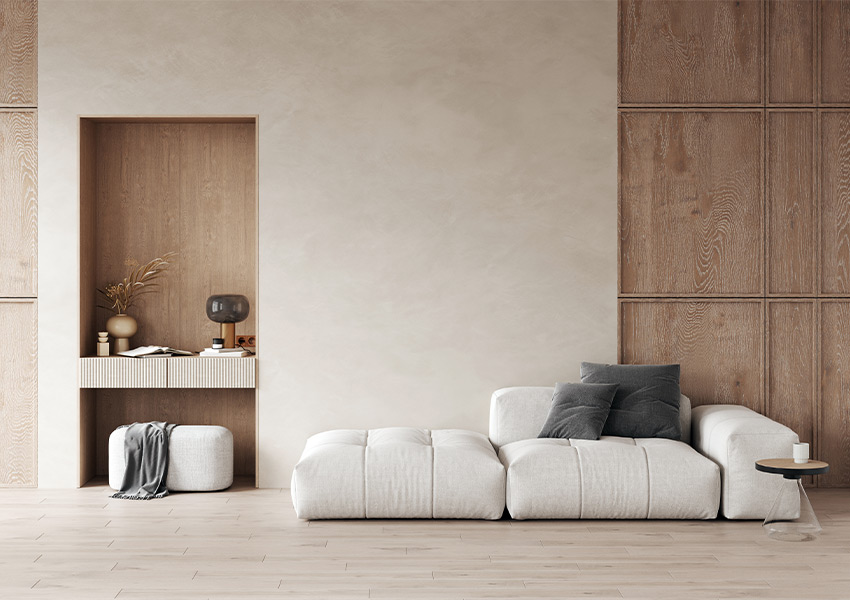
Organic modern interior design blends the clean forms of modern design with natural materials, tactile textures, and warm tones. It also strengthens the connection between your home and the natural world around it.
It's easy to describe this style as "modern plus plants," but the real secret is balance. Each side brings something important to the room.
The modern side provides:
The organic side adds:
When these two sides work together, a room feels both fresh and comfortable.
Several styles use natural materials, but each one has its own personality. Here's how organic modern style compares:
What keeps an organic modern room distinctly modern is its restraint. Every piece has room to breathe.
These seven elements form the building blocks of the look. You don't need to use every idea in every room. Think of them as tools you can mix to suit your home.
An organic modern color palette starts with warm neutrals instead of stark white. Strong foundation colors include:
From there, add a few quiet accents inspired by nature. Sage, olive, clay, terracotta, rust, or a deeper brown can add interest without competing for attention.
The key is restraint. Let the variation in your materials create most of the visual interest rather than adding lots of colors.
Your floor plays a big role here, too. A warm-toned floor can set the palette before a single piece of furniture arrives. When you choose paint, look at the undertones in your flooring and pick wall colors that relate to them.
Natural materials give organic modern design its character. Consider working with:
The goal isn't to fit every natural material into one room. Instead, choose a few favorites and repeat them with intention. A walnut side table, a wood picture frame, and wood flooring can tie a room together far better than five unrelated materials.
Flooring is one of the largest visual surfaces in any room. It strongly influences whether an organic modern space feels warm and connected or flat and disjointed.
Here's how different flooring choices support the style:
You don't need genuine hardwood or natural stone to achieve organic modern flooring. Many durable options capture the look of real wood grain and stone variation while fitting your lifestyle and budget. What matters most is the tone, texture, and finish.
This is one of the most important ideas in the style. Organic modern rooms get their depth from texture, not from lots of objects.
Try layering pieces such as:
The rule to remember: your room should have visual depth without visual busyness. Each texture should add something you can see and feel, not just fill space.
Keep the bones of the room simple. Walls, built-ins, and large furniture pieces work best with clean, quiet lines. Then bring in curves to soften the look.
Some easy ways to add organic shapes:
Resist the urge to make everything curved. The appeal comes from the contrast between structure and softness. That tension keeps a room from drifting too far into rustic or bohemian territory.
Natural light shapes how every color and material in your room looks. Treat it as a design element, not an afterthought.
Daylight also reveals the grain in wood and the variation in stone. The more light you have, the more your materials can shine.
A few well-chosen natural touches go a long way. Try:
Organic modern style isn't about filling every corner. Open, empty space is part of the look. It gives each piece room to stand out and helps the whole home feel calm.
Here's a common mistake: beige walls, a beige sofa, a beige rug, and a single plant. It's technically neutral, but it isn't truly organic modern. Without contrast, a room can feel flat and lifeless.
The fix is to build contrast in five ways:
Here's the key takeaway. Organic modern rooms shouldn't depend on decor for interest. The materials, shapes, light, and texture do the decorating for you.
Organic modern design may be a great fit if you love:
The biggest challenge is keeping the balance. Lean too natural, and a room can start to feel rustic or bohemian. Lean too modern, and it can feel industrial or stark. When you find the middle ground, you get a home that feels fresh, grounded, and deeply livable.
Every organic modern room needs a foundation that feels as natural as the rest of the space. The right floor sets your palette, warms your materials, and ties each room to the next.
Explore flooring with warm wood tones, organic textures, and stone-inspired looks to find the base for your vision. When you're ready for expert guidance, visit your local showroom. Our design specialists can help you compare options, match undertones, and choose durable flooring that fits your style, your lifestyle, and your budget.
Schedule a design consultation today to start building the home you've been picturing.