Mid-Century Modern Design: A Style Guide
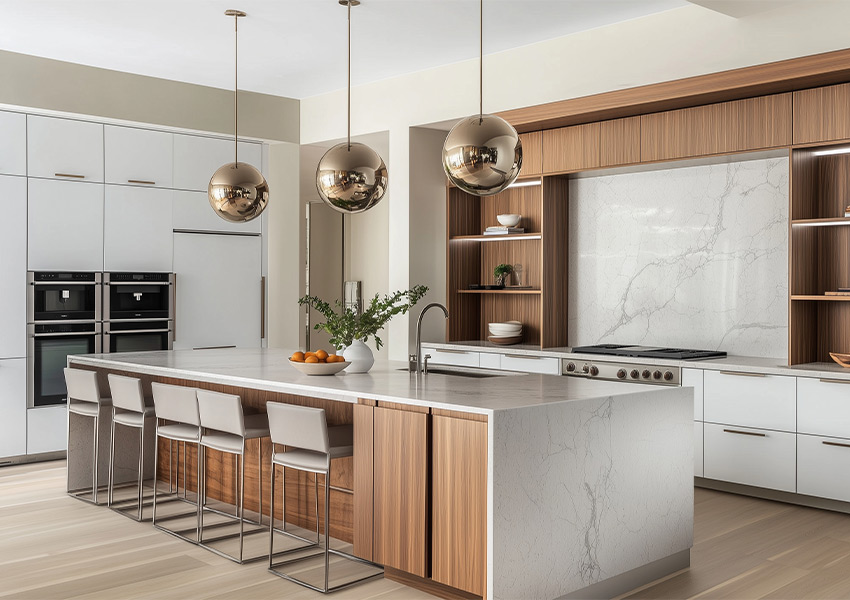
There's a reason mid-century modern has never gone out of style. It's warm without being fussy. Refined without feeling cold. It's a look built for real living, and it translates beautifully into today's homes when done with care. Whether you're designing a whole home or simply refreshing a single room, this guide will help you understand the core ideas behind the style and how to bring them to life.
What is Mid-Century Modern?
Mid-century modern emerged in the post-WWII decades as a move away from heavy, ornate interiors. Designers of the era believed that beauty and function were partners, not opposites. The result? A style defined by clean silhouettes, open spaces, and a genuine appreciation for natural materials.
At its heart, mid-century modern design is about intention. Every element earns its place, and nothing is there just to fill space.
Color Palette
Mid-century modern color is rooted in nature, then lifted by well-placed contrast.
- Warm neutrals form the base: creamy whites, warm taupes, sandy beiges, and rich browns
- Earth tones bring depth: terracotta, olive green, mustard yellow, and burnt sienna
- Accent colors add energy without overwhelming: deep teal, coral, or cobalt blue, often introduced through a single piece of furniture, a rug, or a carefully placed artwork
- Wood tones do a lot of the heavy lifting in the palette. Walnut, teak, and oak bring a warmth that no paint color can fully replicate
The goal is balance. The palette should feel calm and cohesive, with just enough color to catch the eye.
Materials Throughout the Home
Mid-century modern design celebrates honest materials that look like what they actually are.
- Wood is the cornerstone. Warm-toned hardwoods work beautifully in living areas, bedrooms, and home offices. Wood wall paneling, open shelving, and exposed ceiling beams all reinforce the style's natural warmth.
- Stone adds texture and visual weight. A marble coffee table, a stone fireplace surround, or terrazzo flooring in an entryway or bathroom brings character without clutter.
- Manufactured materials play an important role, too. Molded plastic, fiberglass, and lacquered surfaces reflect the era's enthusiasm for innovation. The mix of natural and manufactured is deliberate, giving the style its interesting tension between warmth and precision.
- Metals finish the picture. Brass, gold, and warm-toned hardware add a subtle shimmer without overpowering the room.
When it comes to flooring, mid-century modern spaces often feature warm hardwood, terrazzo, cork, or polished concrete, each lending a different character to the room. Explore our flooring collections to find the right foundation for your space.
SHOP NOW
Furniture: Shape, Scale, and Comfort
Mid-century modern furniture is where the style's personality really shows up. A few defining qualities to look for:
- Low profiles. Sofas, beds, and case goods sit closer to the ground, giving rooms a grounded, horizontal feel that also helps spaces feel more open and airy.
- Tapered legs. Slim, angled legs on sofas, chairs, tables, and sideboards are one of the most recognizable features of the era. They create a sense of lightness even in larger pieces.
- A balance of angular and curved forms. Mid-century modern is not purely geometric. Clean-lined sofas sit comfortably alongside kidney-shaped tables and sculptural lounge chairs with gently curved backs. This mix keeps the space from feeling stiff.
- Comfort matters. Unlike some design styles that sacrifice ease for looks, mid-century modern furniture is genuinely meant to be used. A well-upholstered lounge chair, a generously cushioned sofa in velvet or leather, a plush rug underfoot: comfort is part of the design, not an afterthought.
In the living room, a statement lounge chair with a curved back and tapered legs can anchor the whole space. In a bedroom, a low platform bed in walnut sets a calm, grounded tone. In a home office, a clean-lined desk paired with an iconic task chair brings both function and character.
Decor and Finishing Touches
The right finishing touches bring a mid-century modern room together without crowding it.
- Statement lighting. Arc floor lamps, sputnik chandeliers, and globe pendants are all hallmarks of the style. Lighting should feel sculptural, something that works hard and looks great doing it.
- Geometric patterns. Introduce pattern through rugs, throw pillows, or wallpaper. Bold, graphic prints in the era's signature color combinations work well, just keep pattern focused to one or two surfaces so it doesn't take over.
- Indoor plants. Structural plants like fiddle leaf figs, snake plants, or succulents are a natural fit here. They bring life into the space, which was a core principle of mid-century modern design, especially in living rooms and entryways with plenty of natural light.
- Art and objects with intention. Choose thoughtfully rather than collecting everything at once. A single large-format artwork, a sculptural ceramic, or a well-chosen stack of books can add personality without creating visual noise. Give each piece room to breathe.
- Natural light, maximized. Mid-century modern design was built around large windows and a strong connection between indoors and outdoors. Keep window treatments minimal and let light move freely through the space.
Ready to Build Your Space?
Mid-century modern design rewards thoughtful choices, and it all starts with the foundation beneath your feet. Explore IDG's curated flooring collections to find surfaces that complement the warmth, texture, and character this style is known for. Or connect with one of our design experts for personalized guidance tailored to your home.
Contact Us