Flooring does more than cover a surface. It shapes how a room feels, guides how people move through a space, and tells a story from one end of your home to the other. The materials you choose, the way they are laid down, and how they transition between areas all influence the way your home looks and functions.
If you're searching for flooring that brings both purpose and beauty to your home, you've come to the right place. Our flooring experts have helped countless homeowners navigate the choices, combinations, and creative decisions that make a house feel like home. Together, we'll explore how material, pattern, direction, and transitions can define every space with confidence and style.
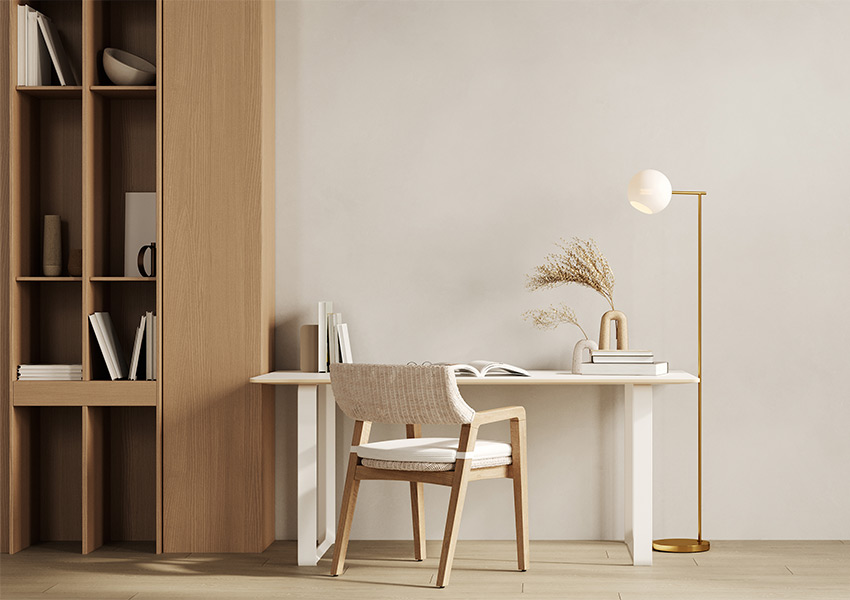
Before choosing any material, step back and look at your home as a whole. Flooring that flows naturally from one room to the next creates a sense of continuity that makes every space feel more intentional.
Here are few principles to build your vision around:
Pro Tip: Think of your floors the way a designer thinks of a color palette. Every choice should feel like it belongs to the same world.
Different flooring materials carry different personalities, and that's exactly what makes them such a powerful design tool. Choosing the right material for each space is one of the most effective ways to define what a room is for and how it should feel.
Here's how each flooring type can shape the character of a space:
Pro Tip: The best way to feel confident in these decisions is to see them in your own space before anything is installed. Use our innovative Room Visualizer tool to do exactly that. Upload a photo of your room, choose a floor you love, and watch the transformation come to life in three simple steps.
3) Let Direction and Pattern Do the Work
The way flooring is laid is just as expressive as the material itself. Direction and pattern create movement, define boundaries, and add personality to a space.
A few ways to use them with intention:
Area rugs are one of the most versatile tools for defining spaces, particularly in open concept living areas.
A few ways to use area rugs with intention:
Pro Tip: Layer rugs over hardwood, tile, or luxury vinyl to add warmth and softness without committing to a permanent change
When two different flooring materials meet, the transition detail matters more than you might think. A thoughtful transition feels seamless and intentional, while a poorly planned one can undercut an otherwise beautiful design, no matter how good each individual floor looks on its own.
Keep these tips in mind:
6) Consider the Needs of the Space
A beautiful floor has to hold up to the life being lived on it. Different rooms in your home take on very different demands, and choosing materials that match those demands is just as important as choosing ones that look right.
Here is how to think about durability by space:
Now you have everything you need to choose floors that define your space, elevate every room, and give your home the refined personality it deserves.
Ready to bring your vision to life? Our team of experts are here to guide you through every decision, from the first look to the final install. Schedule a consultation and let us help you find the floor that defines your space and elevates every room.
Your dream home is well within reach. Schedule yours today and take the first step toward the home you have always imagined.