Creating a stylish and cohesive interior design doesn’t have to be difficult. In fact, keeping it simple can be the key to creating an elegant space. One great way to do this is by using a monochromatic color scheme. This design choice adds a touch of sophistication while making your space feel balanced and harmonious. As your local interior design and flooring experts, we’re here to help you turn your space into a beautiful, unified sanctuary. With our guidance, you’ll learn how to use your chosen color palette to bring out the best in your home.
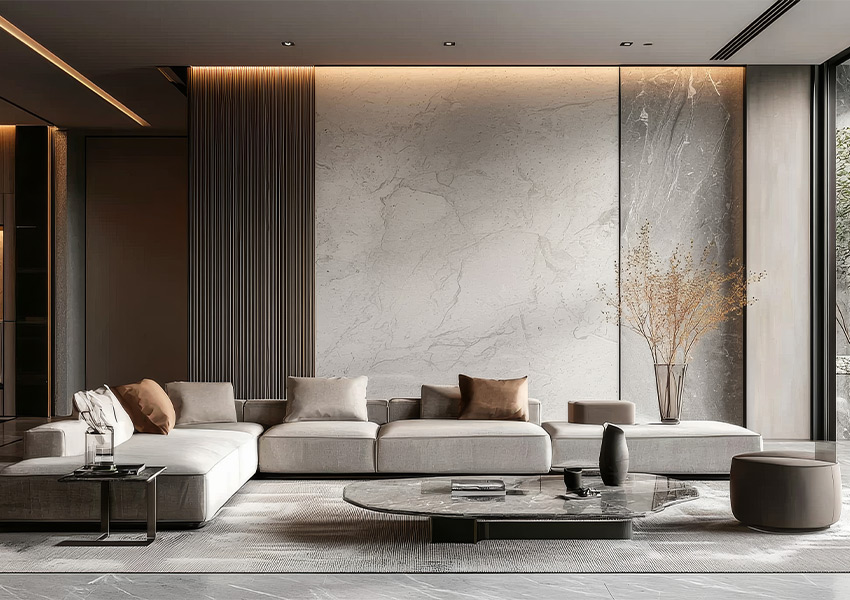
Monochromatic refers to using different variations of the same color to create a livable space. Using shades of the same color can make a room appear larger, making it ideal for small spaces.
For example, a monochromatic color palette based on cool blues can lend a calming, spa-like feel, while a range of grays offers a contemporary, sophisticated ambiance. Earthy tones, such as warm beiges or forest greens, evoke a sense of nature and tranquility. Each palette offers its own mood and can be tailored to fit your interior design vision.
When planning your color palette, consider the neutrals that are already in place and will not be changed. If you plan to add neutral colors to your palette, build on the ones that already exist in the space. By unifying your neutrals and using the same monochromatic principles on them, the result will be more cohesive.
A simple checklist for planning your monochromatic palette:
Using light and dark variations of a single color creates harmony and a relaxing atmosphere. As a background for artwork and collectibles, monochromatic color is the perfect partner, allowing the artwork to shine.
Balance is key. Use lighter shades for larger areas like walls and floors, and incorporate darker tones in smaller doses, such as an accent wall, furniture, or decorative accessories. This approach defines spaces and gives the room depth without overwhelming the senses.
Textures and patterns are your secret to the perfect monochromatic color scheme. The most attractive and enjoyable way to complete your color scheme is with texture and print. Texture adds interest to the room through the uneven surface, while throw blankets, printed art, plants, and window treatments are beautiful ways to add dimension.
Layering soft fabrics, such as velvet cushions or chunky knits, with sleek elements like glass or metal can help keep the space from feeling flat. Try adding patterned rugs, embossed wallpapers, or woven baskets to give your room depth, even when working within a single color family.
When styling a bedroom with a monochromatic color palette, focus on creating a restful retreat. Opt for soft hues like pale blue, lavender, or warm gray for the walls and bedding. Layer different textures, think cotton sheets, a wool throw, and velvet pillows, to add comfort and visual interest. Choose furniture in neutral tones or painted in your chosen color for a cohesive look. Incorporate interior design tips such as using mirrored or metallic accents to reflect light and keep the space airy.
A monochromatic color palette in living rooms helps amplify space and light. For a modern feel, try varying grays or beiges, adding plush area rugs, a mix of materials like wood and leather, and wall art in similar tones. For extra dimension, style with one color in multiple shades across curtains, furniture, and decor. Remember to use a variety of finishes to prevent monotony.
Bathrooms benefit from monochromatic interior design, especially to create a spa-like oasis. Whites, soft blues, or tranquil greens can make a small bathroom feel open and clean. Introduce styling with one color through towels, tile choices, vanity paint, or even soaps and accessories. Glass, ceramics, and polished surfaces offer shine, while natural stone or woven baskets add warmth and balance.
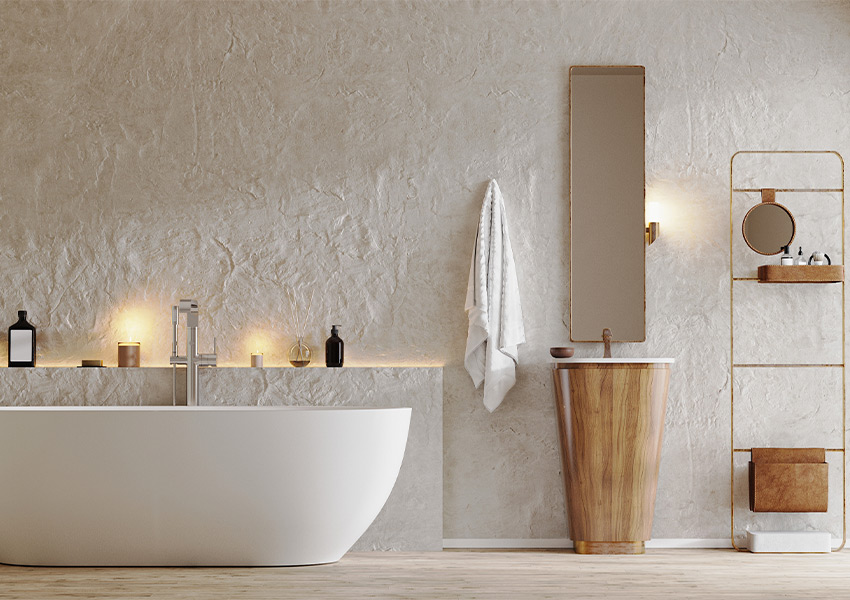
A monochromatic color scheme is a versatile interior design tool that can transform any space into a serene bedroom, a welcoming living room, or a refreshing bathroom. By following these expert tips, you can confidently style with a single color to create a harmonious and sophisticated home.
Once you’ve chosen your palette, the perfect flooring will tie it all together. Ready to find the ideal foundation for your design? Try our Room Visualizer tool to see how different floors come to life in your space, or contact us today for personalized design and flooring advice. Your dream home is closer than you think.