A great rug does more than fill empty floor space. It sets the tone for a room, softens hard surfaces underfoot, and pulls furniture, color, and light into one cohesive picture. But with so many materials, sizes, and styles to choose from, picking the right one can feel more complicated than it should be.
This guide breaks down the key differences between area rugs so you can move forward with confidence. Whether you're refreshing a single room or designing your entire home, we're here to help you understand what each material brings to the table. Let's explore the details behind each option and find the rug that brings your design vision to life.
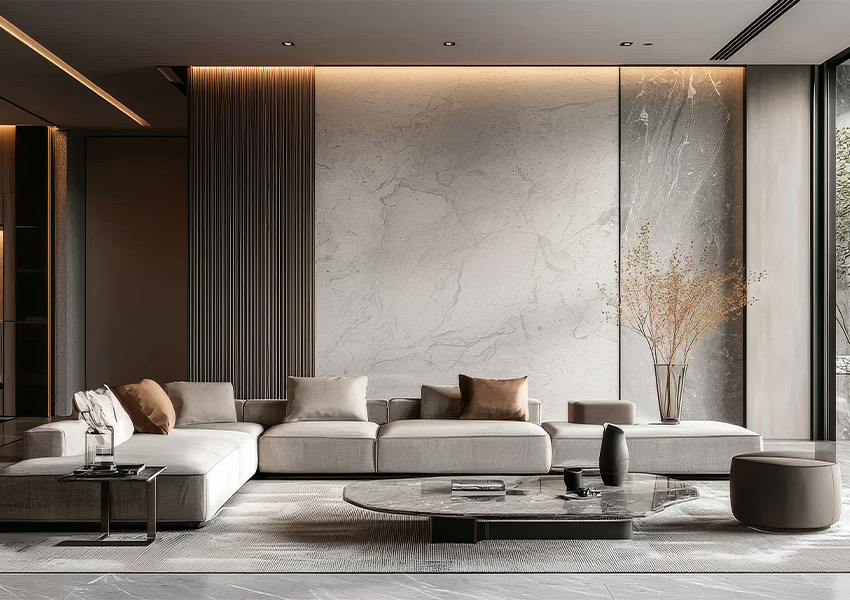
Before you fall in love with a color or pattern, it's worth thinking about what the rug is actually made of. Material is what shapes how a rug feels underfoot, how well it holds up over time, and how much work it will ask of you down the road. Here's what to keep in mind as you weigh your options:
Some rooms see a handful of quiet footsteps a day. Others see kids, pets, guests, and everything in between. For high-traffic spaces, durable materials matter most.
Some homeowners want a rug that feels plush and warm the moment they step out of bed, while others prefer something with more structure and grip. Wool and cotton tend to offer a softer, more forgiving feel, while natural fibers like jute and sisal bring a textured, grounded quality that pairs beautifully with a more relaxed, organic look.
Ask yourself what your floors actually deal with day to day. A quiet reading room and a house full of kids and pets need very different answers when it comes to upkeep. Some materials are practically built to be lived on. Others reward a little extra care. That gap is exactly why washable rugs have become such a fast-growing favorite in busy homes.
One of the biggest decisions in choosing area rugs is whether to lean natural or synthetic. Both paths lead to beautiful, functional rugs. The right one comes down to your space, your lifestyle, and the look you're after.
Natural fiber rugs tend to bring a grounded, organic feeling into a room, one that pairs especially well with warmer, more layered interiors. Wool, jute, and sisal are three of the most popular natural fiber rugs:
Synthetic fiber rugs have come a long way, offering style, texture, and built-in convenience that fit right into modern homes. Polypropylene, viscose, and polyester are three of the most common synthetic fibers:
Once you understand material, the next step is matching it to where the rug will actually live.
Living rooms and dining rooms can be the busiest, most visible rooms in the house, which makes durability and stain resistance especially important. A wool or polypropylene rug can stand up to daily use while still looking polished for guests. In dining rooms, look for a material that wipes clean easily, since spills are common.
Your entryway rug sees dirt, moisture, and daily foot traffic before anyone even reaches the living room. Sisal and other durable, textured materials are built for exactly this kind of work, standing up to moisture and heavy use while still giving guests a warm first impression.
Bedrooms are where comfort should lead the decision. A softer wool or cotton rug underfoot can make mornings feel a little gentler, and since they typically see far less traffic, you have more freedom to prioritize feel over durability.
The most common mistake is choosing a rug that's simply too small. A rug that floats in the middle of a room, disconnected from the furniture around it, can make the whole space feel unfinished. As a general rule, aim for a rug large enough that at least the front legs of your major furniture pieces rest on it, tying everything together.
Not all rugs are built the same, even within the same material. Look closely at the weave and backing. A well-constructed rug should feel dense and secure, without loose threads or a flimsy backing that won't hold up over time. Taking a moment to check construction now can save you from replacing a rug far sooner than you'd like.
Beyond material and size, a few features have become especially relevant for how people live today.
Washable rugs have become one of the most popular choices for families, pet owners, and anyone who wants a beautiful rug without the stress of protecting it from every spill. These rugs are designed to go through the wash and come out looking fresh, which makes them an easy fit for high-traffic areas like entryways, kitchens, and playrooms.
A quality rug pad might be the most overlooked part of the rug buying process, but it makes a real difference. It keeps your rug from slipping, adds cushioning underfoot, and helps protect the floor beneath it. If you're investing in a rug you love, a rug pad is a small addition that helps it last.
Choosing area rugs doesn't have to be complicated once you know what to look for. Think about how the room is used, what feel you want underfoot, and how much upkeep fits your life, then let the material follow from there. A rug isn't just a finishing touch, it's an opportunity to bring warmth, texture, and personality into a space in a way few other design choices can.
No matter which direction you choose, you don't have to figure it out on your own. Our design experts are here to listen, guide, and help you find the rug that's truly made for your home, from the very first question to the final decision. Visit your nearest showroom or request a personalized design consultation today to get started on your perfect design.
It depends on the room. Wool and polypropylene are strong choices for high-traffic spaces, while cotton and viscose work well in lower-traffic rooms where softness and appearance take priority.
The two biggest mistakes are choosing a rug that's too small for the room and overlooking construction quality. Both are easy to check before you buy and can save you from a rug that never quite feels right.
Either can work well. A lighter rug adds contrast and openness, while a darker rug adds depth and grounds the space. The right choice comes down to personal style and the mood you want the room to have.